Imagine slicing into a seemingly innocent ball of fresh cheese, expecting a firm, uniform texture, only for a cascade of luxurious, silken cream to slowly spill onto your plate. This moment of delightful surprise perfectly encapsulates the magic of burrata cheese. It's a culinary revelation that explains why this fresh Italian delicacy has captured the hearts and palates of food enthusiasts worldwide, transforming simple dishes into gourmet experiences.
Far from being just another cheese, burrata offers an unparalleled sensory journey. Its delicate flavor, combined with a texture that is simultaneously soft and rich, makes it a star ingredient in countless kitchens. Whether you're a seasoned foodie or just discovering the wonders of Italian gastronomy, understanding what makes burrata so special—from its humble origins to its creamy core—is key to appreciating its allure. This comprehensive guide will explore the fascinating world of burrata, revealing its secrets, history, and how best to enjoy its exquisite taste.
What Exactly is Burrata Cheese? Unpacking Its Unique Anatomy
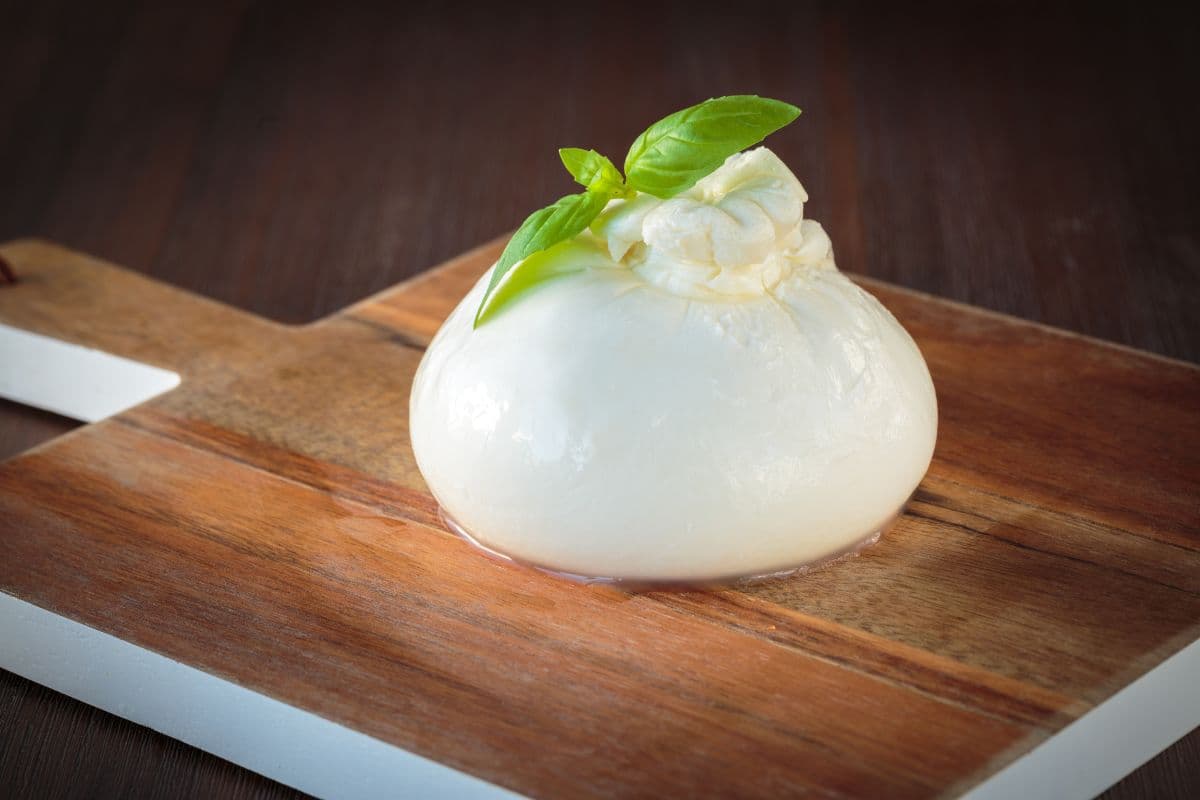
At its heart, burrata cheese is a fresh Italian cheese crafted from mozzarella and cream. However, to simply call it that would be to undersell its distinct charm. Visually, it resembles a pristine white ball, much like fresh mozzarella. But the true enchantment unfolds when you cut into it. The outer shell is indeed a delicate, stretched curd mozzarella, providing a subtle chew and structure.
The real treasure lies within: a sumptuous filling known as stracciatella. This creamy concoction is made from hand-shredded pieces of fresh mozzarella (the "straccia" meaning "rag" or "shred" in Italian, referring to the torn pieces of cheese) intimately mixed with rich, decadent cream. This combination results in a gloriously soft, moist, and utterly indulgent center that slowly oozes out, creating that signature dramatic effect loved by so many.
Essentially, you can think of burrata as a tender mozzarella pouch filled with an even creamier, looser form of cheese. This unique internal structure sets it apart, offering a beautiful contrast of textures – the slight resistance of the outer layer yielding to the ultimate softness within. Though it might occasionally be misspelled as "burata," "burratta cheese," "buratta cheese," or "butrata," the correct and widely recognized spelling is "burrata," a name derived from the Italian word "burro," meaning butter, aptly hinting at its rich, buttery character.
Classified as a fresh stretched-curd cheese, much like its cousin mozzarella, burrata stands out due to its unique filling. While both are made using the pasta filata (spun paste) method, burrata's creamy interior elevates it to a realm of unparalleled richness and luxurious texture that mozzarella, in its solid form, simply cannot achieve.
The Rich History and Italian Roots of Burrata Cheese
The story of burrata cheese is deeply rooted in the resourcefulness and culinary ingenuity of southern Italy. If you've ever wondered where this creamy delight originated, its birthplace is the sun-drenched region of Puglia (Apulia), specifically near the city of Andria, in the early 20th century. This area is renowned for its dairy traditions, making it a natural home for such an exquisite cheese.
Legend has it that burrata was born out of a desire to reduce waste. Italian cheesemakers, faced with leftover mozzarella scraps and an abundance of cream, found an ingenious solution. Instead of discarding the fragments, they mixed them with cream and encased this mixture within a fresh mozzarella shell. What began as a practical, economic measure quickly evolved into a beloved delicacy, creating something unexpectedly delicious and truly revolutionary. While the exact individual credited with this brilliant invention is debated, strong evidence points to a cheesemaker named Lorenzo Bianchino Chieppa from the Bianchino family farm in Andria.
By the 1930s, burrata's popularity had spread throughout Puglia and beyond, becoming a highly sought-after product. The region's dedication to maintaining the quality and authenticity of its culinary treasures is evident in the Protected Geographical Indication (PGI) status awarded to "Burrata di Andria." This designation ensures that only burrata produced according to traditional methods within a specific geographical area can bear this prestigious name, safeguarding its integrity and origin. This commitment to tradition is a testament to the cheese's cultural significance and its indelible link to its Puglian homeland. To delve deeper into its captivating journey, explore Burrata's Italian Journey: From Puglia Scraps to Global Delight.
Ingredients and Crafting: The Art of Making Burrata
The seemingly complex experience of cutting into a burrata belies the simplicity of its core ingredients. True burrata cheese is made from a short list of natural components:
- Fresh Mozzarella: Forms both the outer casing and the shredded component of the stracciatella.
- Cream: The essential ingredient that gives stracciatella its signature richness and adds to the lusciousness of the filling.
- Milk: Typically cow's milk, though sometimes buffalo milk is used, providing the base for the mozzarella.
- Salt: For seasoning and flavor balance.
The creation of burrata is a skilled artisanal process that begins much like the making of traditional mozzarella. Milk is first curdled using rennet, separating into solid curds and liquid whey. These curds are then hot-stretched and kneaded until they become pliable and smooth, forming the soft, elastic texture characteristic of fresh mozzarella.
At this point, the process diverges for burrata. While some of the mozzarella is shaped into the outer pouch, another portion is shredded into delicate strands. These "rags" of mozzarella are then generously combined with fresh cream, creating the delightful stracciatella filling. Finally, a skilled cheesemaker carefully forms a thin shell of mozzarella into a small bag, fills it generously with the creamy stracciatella, and then seals it, often by tying it off at the top. This meticulous, hands-on crafting ensures each burrata ball is a fresh, flavorful masterpiece, ready to be enjoyed within hours or days of its creation. The emphasis on freshness is paramount, as burrata is not an aged cheese; its delicate flavors and textures are at their peak shortly after production.
The Exquisite Flavor Profile and Texture of Burrata Cheese
Asking "what does burrata cheese taste like?" is to ask about an experience rather than just a flavor. Its taste is wonderfully mild and fresh, dominated by clean, milky notes with a subtle, delicate sweetness. You'll often detect a slight buttery richness, a direct contribution from its creamy core. Unlike aged cheeses that boast sharp, pungent, or complex nutty flavors, burrata's profile is gentle, designed to highlight the purity of its dairy components.
However, it's the texture that truly elevates burrata to a league of its own. The outer layer offers a satisfyingly soft, elastic bite, similar to a very fresh mozzarella. But then, the knife breaks through, revealing the stracciatella within – an unbelievably soft, almost liquid cream mixed with tender shreds of mozzarella. This combination delivers an incredibly luxurious, melt-in-your-mouth sensation that is both refreshing and deeply satisfying. The juxtaposition of the firm outer shell with the velvety, unctuous interior creates a textural symphony that is genuinely addictive. It’s a richness that doesn't feel heavy, making it incredibly versatile in the kitchen.
Burrata vs. Mozzarella: Understanding the Creamy Distinction
A common question that arises is whether burrata cheese is simply another name for mozzarella. While they are undoubtedly close relatives, sharing a common heritage and production method, they are distinct cheeses offering different culinary experiences. Both are fresh, stretched-curd cheeses, meaning they are made from curd that has been kneaded and stretched in hot water, giving them their characteristic texture.
The fundamental difference lies in their internal structure:
- Mozzarella: Is solid throughout. Whether it's a ball of fresh mozzarella di bufala or fior di latte, the cheese is uniform in texture from crust to core. It offers a consistently milky, slightly springy, and refreshing bite.
- Burrata: Features a thin outer shell of solid mozzarella, but its interior is filled with creamy stracciatella (shredded mozzarella mixed with cream). This gives burrata its signature oozing, ultra-creamy center, providing a significantly richer and softer mouthfeel compared to mozzarella.
In essence, burrata provides a more indulgent, luxurious, and "creamier" experience. While mozzarella is excellent for melting on pizzas or in baked dishes, burrata's delicate nature and exquisite filling are best appreciated when served fresh and raw, allowing its unique texture and mild flavor to shine. For a more detailed comparison of these two Italian stars, check out Burrata vs. Mozzarella: The Creamy Truth Behind Italian Cheese.
Serving Suggestions & Culinary Delights with Burrata Cheese
The beauty of burrata cheese lies in its simplicity and versatility. Its delicate flavor profile means it pairs wonderfully with fresh, vibrant ingredients that complement rather than overpower it. Here are some practical tips and delightful serving suggestions:
Optimal Serving Temperature
To fully appreciate its creamy texture and subtle flavors, always serve burrata at room temperature. Take it out of the refrigerator about 30 minutes to an hour before serving.
Classic Combinations
- Caprese Elevated: The most iconic pairing. Arrange slices of ripe, heirloom tomatoes, fresh basil leaves, and torn pieces of burrata. Drizzle generously with high-quality extra virgin olive oil, a sprinkle of sea salt, and freshly cracked black pepper. A splash of balsamic glaze can add a touch of sweetness and tang.
- Simple with Bread: Serve a whole burrata with crusty bread or crostini. A drizzle of olive oil, a pinch of chili flakes, or some fresh herbs (like oregano or mint) are all you need.
Beyond the Basics
- Salad Star: Transform any green salad into a gourmet meal. Combine burrata with arugula, roasted peaches or figs, prosciutto, toasted nuts, and a light vinaigrette.
- Pasta Perfection: Stir torn burrata into warm pasta dishes at the very last minute. The heat will slightly melt the stracciatella, creating a rich, creamy sauce. It's particularly fantastic with simple tomato-based sauces or pesto.
- Pizza Topping: While mozzarella melts beautifully on pizza, burrata takes it to the next level. Add torn pieces of burrata immediately after your pizza comes out of the oven. The residual heat will warm it through, allowing the creamy center to spread over the hot crust.
- Bruschetta Brilliance: Top toasted bread with a dollop of burrata, then add roasted vegetables, tapenade, or a fresh bruschetta topping.
Pairing Pointers
For drinks, opt for light-bodied white wines like Pinot Grigio or Vermentino, which won't overwhelm the cheese's delicate flavors. A crisp rosé or even a light Italian lager can also be an excellent choice.
Why Burrata Cheese Has Captured the World's Palate
In an era where food experiences are as valued as the food itself, burrata cheese stands out as a true star. Its universal appeal can be attributed to several factors. Firstly, there's the element of surprise and indulgence; the visual drama of its creamy core spilling out is undeniably captivating, making it incredibly popular on social media. Secondly, its fresh, clean flavor profile makes it highly versatile, capable of enhancing a wide array of dishes without dominating them.
Furthermore, burrata embodies a sense of artisanal craftsmanship and authenticity. Its humble origins, born from a desire to waste nothing, resonate with modern appreciation for sustainable and thoughtfully produced food. It's a taste of Italian tradition, an experience of luxury, and a testament to how simple ingredients, expertly combined, can create something truly extraordinary. Whether served as a centerpiece or a delicate accompaniment, burrata offers a touch of gourmet elegance that is both approachable and deeply satisfying.
From its resourceful beginnings in Puglia to its current status as a global culinary darling, burrata cheese offers an exquisite journey for the senses. Its unique combination of a soft mozzarella shell and a decadent, creamy stracciatella interior delivers a taste and texture experience unlike any other. Whether you're a connoisseur of fine cheeses or simply looking to elevate your next meal, discovering the creamy core and rich Italian origin of burrata is an indulgence well worth savoring. So go ahead, get your knife ready, and prepare to be delighted by this truly special cheese.
