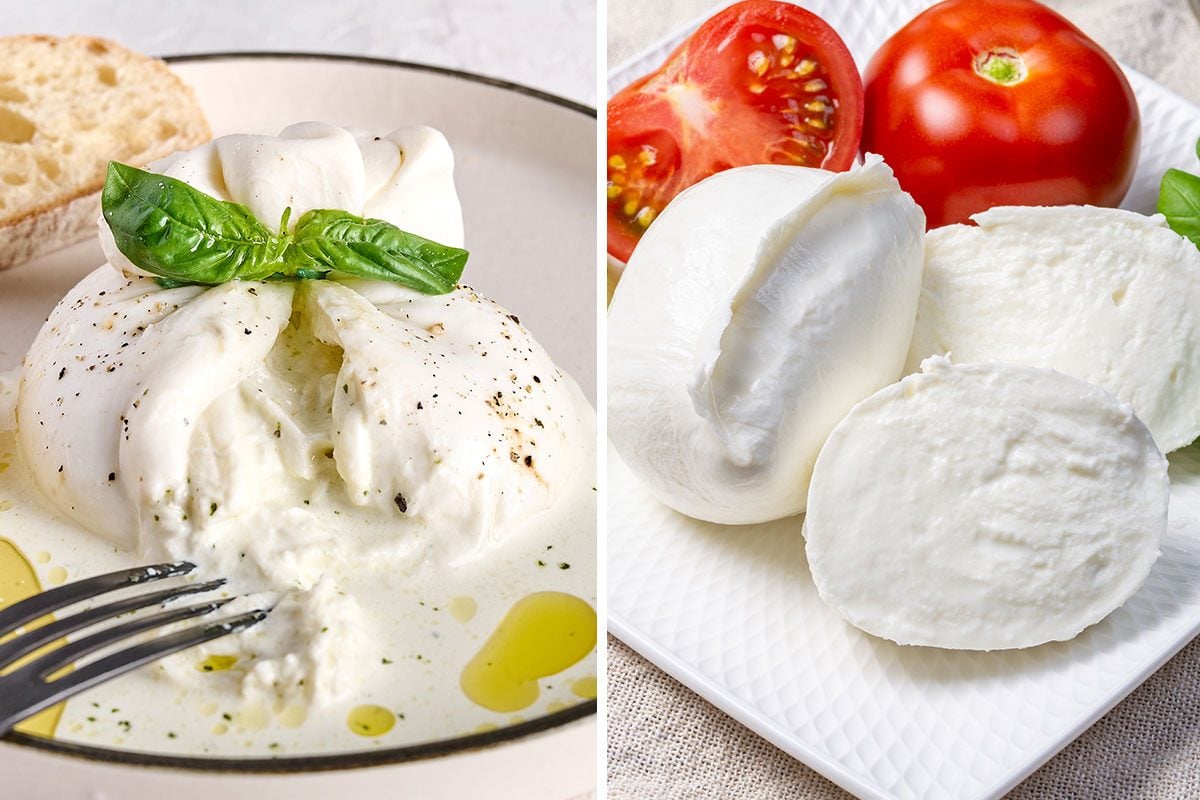
Burrata vs. Mozzarella: The Creamy Truth Behind Italian Cheese
Few culinary experiences rival the simple pleasure of fresh Italian cheese. Among the pantheon of Italy's dairy delights, two stars often cause delightful confusion: burrata and mozzarella. While they share a family resemblance and a common heritage, they offer distinctly different experiences. If you've ever wondered why
burrata cheese seems to melt in your mouth, or what truly separates it from its more widely known cousin, you're about to discover the creamy truth. This guide will take you on a journey into the heart of these cheeses, exploring their origins, unique characteristics, and how to best enjoy them.
What is Burrata Cheese? Unveiling the Creamy Heart
The first encounter with
burrata cheese is often unforgettable. Imagine cutting into a seemingly ordinary ball of fresh white cheese, expecting the familiar texture of mozzarella, only for a luscious, soft center to slowly ooze out. This unexpected revelation is precisely what captivates so many palates worldwide.
At its core, burrata is a fresh Italian cheese crafted from mozzarella and cream. It can be thought of as a delicate pouch or shell of solid mozzarella, but its true magic lies within. The interior is filled with
stracciatella, a delightful mixture of shredded mozzarella scraps (often from the same batch as the outer shell) blended with rich, fresh cream. This unique construction is why burrata feels so luxurious and tastes incredibly fresh and milky, with a subtle buttery note.
While you might occasionally encounter charming misspellings like "burata," "burratta cheese," or "buratta cheese," the correct spelling is "burrata," a name derived from the Italian word "burro," meaning butter, aptly hinting at its creamy richness. It is officially classified as a fresh, stretched-curd cheese, much like mozzarella, but its creamy filling elevates it to a class all its own. For a deeper dive into its origins and production, you might want to read our article
Discover Burrata Cheese: Its Creamy Core & Italian Origin.
The Storied Origin of Burrata: A Tale of Resourcefulness and Puglian Ingenuity
The history of
burrata cheese is a beautiful testament to Italian culinary resourcefulness. This exceptional cheese was born in the early 20th century, specifically in the Puglia region of Southern Italy, near the city of Andria. Legend has it that Italian cheesemakers, facing economic hardship and a need to prevent waste, sought a creative way to utilize leftover mozzarella scraps and excess cream. The ingenious solution was to mix these scraps with cream, then encase them within a thin, fresh mozzarella shell. What began as a practical measure to preserve food evolved into an unexpectedly delicious creation.
While the exact individual credited with this revolutionary idea remains a subject of debate, many sources point to Lorenzo Bianchino Chieppa. Regardless of its precise inventor, by the 1930s, burrata had spread in popularity among cheesemongers in the region. Today, the integrity and traditional production of "Burrata di Andria" are safeguarded by a Protected Geographical Indication (PGI) status, ensuring that consumers can trust its authenticity and quality. This tradition highlights a core aspect of Italian cuisine: transforming simple, humble ingredients into extraordinary dishes through skill and passion. The story of how this ingenious creation went from humble beginnings to a global sensation is fascinating; explore it further in
Burrata's Italian Journey: From Puglia Scraps to Global Delight.
Burrata vs. Mozzarella: A Side-by-Side Creamy Showdown
While often confused, burrata and mozzarella, though related, offer distinct experiences. Understanding their differences is key to appreciating their individual charms.
Ingredients and Production: Where Paths Diverge
Both cheeses start with similar foundational ingredients: fresh milk (typically cow's milk, though buffalo milk mozzarella, "mozzarella di bufala," is also celebrated), rennet, and salt. The initial stages of their production are identical, involving heating the milk, adding rennet to form curds, and then stretching these curds into the pliable, elastic texture characteristic of "pasta filata" (spun paste) cheeses.
However, this is where their journeys diverge. For traditional mozzarella, the stretched curds are formed into solid balls or braids. For
burrata cheese, a portion of the stretched mozzarella is shredded and mixed with fresh cream to create the rich stracciatella filling. A thin sheet of mozzarella is then formed into a pouch, filled with the stracciatella, and carefully sealed, often with a knot, creating its iconic appearance.
Texture: The Ultimate Differentiator
*
Mozzarella: Known for its firm yet elastic, slightly springy texture. When torn, it offers a distinct resistance, and its interior is consistently solid. It melts beautifully, becoming gooey and stretchy.
*
Burrata: This is where burrata truly shines. The outer shell provides a slight chew, similar to fresh mozzarella, but it yields almost immediately to the unbelievably soft, creamy, and sometimes runny interior of stracciatella. This dual texture is burrata's signature, offering a unique sensation of firmness giving way to liquid luxury.
Flavor Profile: Subtle Yet Significant Differences
*
Mozzarella: Has a mild, delicate, milky, and slightly tangy flavor. It's clean and fresh, serving as a versatile canvas for other ingredients.
*
Burrata: While sharing mozzarella's fresh, milky notes, burrata’s flavor is significantly richer, creamier, and subtly buttery due to the high fat content of the stracciatella. It boasts a gentle sweetness that complements its smooth texture. The taste is still mild, making it an excellent pairing cheese, but it offers a more profound and luxurious dairy experience.
Culinary Applications: Best Served Differently
*
Mozzarella: Its firm texture and excellent melting properties make it incredibly versatile. It's a staple on pizzas, in lasagna, baked pasta dishes, and grilled sandwiches. It's also fantastic fresh in Caprese salads, antipasti platters, or simply torn and dressed with olive oil and basil.
*
Burrata: Given its delicate, creamy interior,
burrata cheese is best enjoyed fresh and raw, where its unique texture can be fully appreciated. It's a showstopper as an appetizer or in salads. It shines when paired simply with ripe tomatoes, fresh basil, a drizzle of high-quality extra virgin olive oil, a sprinkle of sea salt, cracked black pepper, or a touch of balsamic glaze. It’s also divine with prosciutto, roasted vegetables, or served on crusty bread. While some chefs experiment with gently warmed burrata, its creamy core is generally compromised by high heat, making it less suitable for cooking than mozzarella.
Tips for Enjoying and Buying Burrata Cheese
To truly savor burrata, a few considerations can elevate your experience:
1.
Serving Temperature: Always allow your burrata to come to room temperature for about 30 minutes before serving. This ensures the creamy stracciatella filling is at its most luscious and flows beautifully when cut.
2.
Freshness is Key: Burrata is a fresh cheese with a short shelf life. Look for packages that indicate recent production dates and consume it within a few days of purchase. It should always be stored in its liquid (brine or water) to maintain moisture.
3.
Simple Pairings: Embrace simplicity. Let the burrata be the star. High-quality extra virgin olive oil, sea salt, freshly cracked black pepper, ripe tomatoes, basil, and crusty bread are often all you need. Consider a balsamic reduction or a scattering of toasted pine nuts for added flair.
4.
Buying Quality: If possible, seek out burrata from reputable Italian or local artisan producers. Look for PGI-certified "Burrata di Andria" for an authentic taste of Puglia. The cheese should appear plump, moist, and pristine white.
The Global Appeal of Burrata
From its humble beginnings as a thrifty creation,
burrata cheese has ascended to global fame, gracing menus in Michelin-starred restaurants and home kitchens alike. Its universal appeal lies in its indulgent texture and fresh, milky flavor, offering a luxurious experience that feels both rustic and refined. Its visual drama, with the creamy interior spilling forth, makes it an Instagram favorite and a centerpiece for entertaining. It’s more than just a cheese; it’s an experience, a delightful surprise that embodies the Italian spirit of turning simple ingredients into extraordinary moments.
In conclusion, while mozzarella provides a firm, versatile, and beloved foundation in Italian cuisine,
burrata cheese offers an unparalleled creamy indulgence. Both deserve a place on your plate, but they cater to different desires. Mozzarella is the reliable workhorse, perfect for cooking and everyday enjoyment, while burrata is the opulent treat, best savored fresh, allowing its rich, velvety heart to shine. So, next time you're at the cheese counter, appreciate the choice before you: the firm embrace of mozzarella or the luscious secret of burrata. Whichever you choose, you're in for a truly Italian delight.