Burrata's Italian Journey: From Puglia Scraps to Global Delight
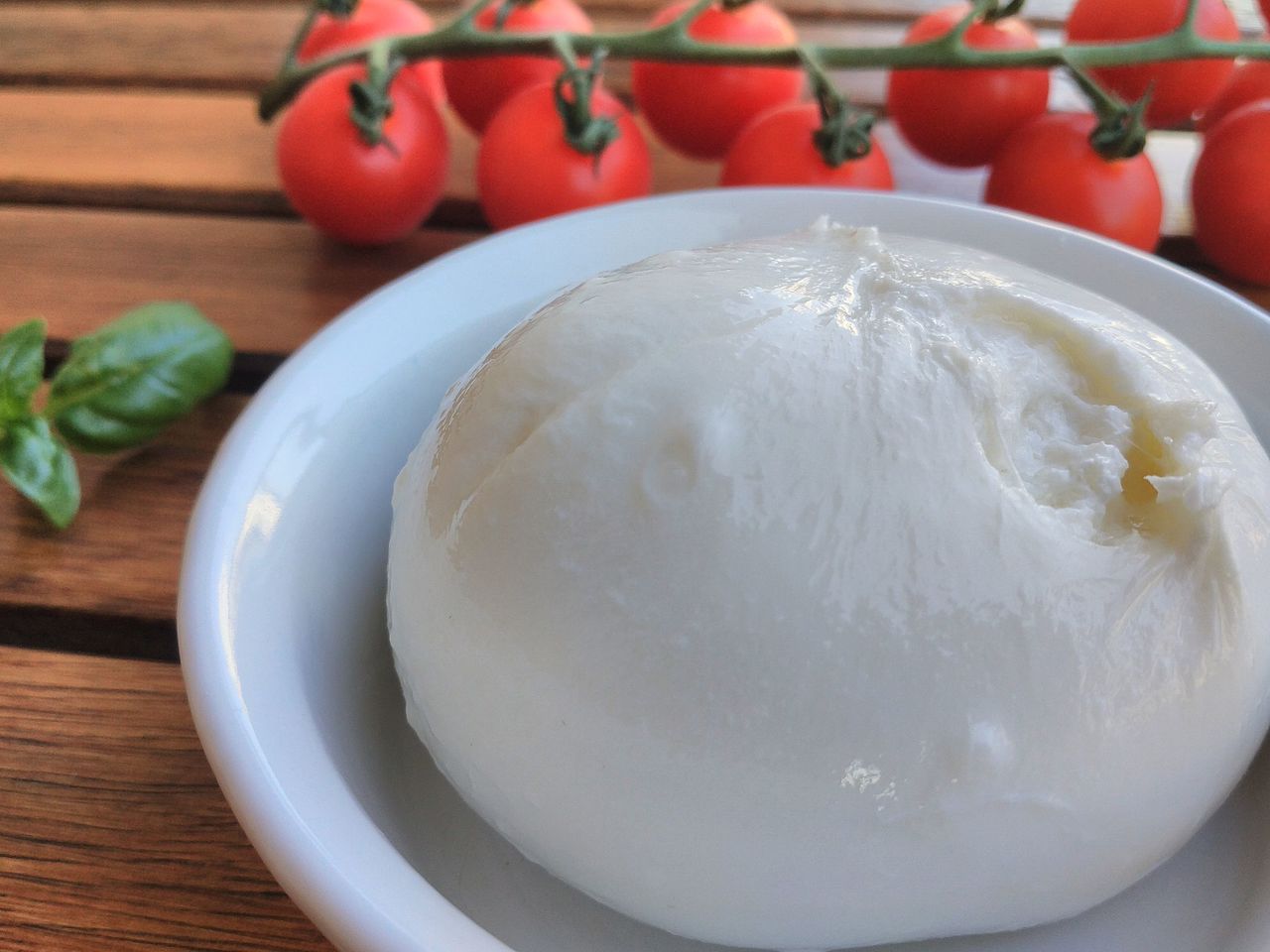
Few cheeses capture the imagination quite like burrata cheese. The first encounter is often a revelation: an unassuming orb, reminiscent of fresh mozzarella, that yields an astonishingly soft, creamy interior upon the slightest cut. That moment—when the rich, milky stracciatella slowly oozes out—perfectly encapsulates why this Italian delicacy has transformed from a regional specialty into a beloved global sensation. It's a taste of unexpected luxury, freshness, and culinary ingenuity, all wrapped into one.
If you've ever wondered about the true story behind this exquisite cheese, its humble beginnings, or what makes it so distinct from its cousin, mozzarella, you've come to the right place. Join us as we journey through the sun-drenched landscapes of Southern Italy to uncover the fascinating history, unique composition, and irresistible appeal of burrata.
What Exactly is Burrata Cheese? Unpacking its Unique Structure
At its core, burrata cheese is a fresh Italian cheese crafted from mozzarella and cream. However, to simply call it that would be an understatement. Its magic lies in its ingenious construction: a delicate, pliable outer shell of stretched mozzarella encasing a luscious, creamy filling. This filling, known as stracciatella, is a delightful mixture of shredded mozzarella scraps (leftovers from the cheesemaking process) blended with rich, fresh cream. Essentially, burrata is a mozzarella pouch brimming with an even creamier, dreamier cheese.
The visual and textural contrast is what makes burrata truly stand out. The firm yet yielding exterior gives way to a decadent, almost liquid center, offering a multi-faceted sensory experience with every bite. While you might occasionally encounter misspellings like burata, burratta cheese, or buratta, remember that the correct and cherished name is "burrata."
The Anatomy of a Burrata Ball: A Symphony of Textures
Understanding burrata means appreciating its two distinct components:
- The Outer Shell: This is pure mozzarella, typically made from cow's milk, though buffalo milk versions exist. It provides a slight chew and a subtle, milky flavor, acting as the perfect container for the treasure within.
- The Creamy Core (Stracciatella): This is the heart of the burrata. "Stracciatella" literally means "little rags" in Italian, referring to the shredded, torn pieces of mozzarella that are lovingly mixed with fresh, thick cream. It's this creamy, soft, and slightly lumpy interior that delivers burrata's signature rich flavor and melting texture.
This ingenious combination elevates burrata far beyond a simple fresh cheese, transforming it into a delightful culinary surprise.
Ingredients: Simple Yet Sublime
The beauty of burrata lies not just in its structure, but in its remarkably simple ingredient list. The highest quality burrata is made with:
- Fresh Milk (typically cow's milk, sometimes buffalo)
- Cream
- Salt
- Rennet (a natural enzyme used in cheesemaking)
These few, high-quality ingredients are meticulously combined through a traditional stretched-curd process, highlighting the Italian philosophy that exceptional food doesn't require complexity, but rather quality and craftsmanship.
The Humble Origins: From Puglia's Scraps to Culinary Innovation
The rich history of burrata cheese is deeply rooted in the picturesque, sun-drenched region of Puglia, located in the heel of Italy's boot. It's here, in Southern Italy, that this culinary marvel was born in the early 20th century—specifically around the 1920s and 1930s. Its creation is a testament to the Italian virtue of resourcefulness, driven by a desire to minimize waste and maximize flavor.
In the dairy farms of Puglia, cheesemakers, facing the challenge of what to do with leftover mozzarella scraps and surplus cream, devised an ingenious solution. Instead of discarding these precious ingredients, they decided to combine the shredded mozzarella pieces with cream and encase this mixture within a fresh mozzarella shell. The result was unexpectedly delicious and profoundly practical, creating a new product that was both flavorful and sustainable. This pragmatic approach gave birth to what would become the globally beloved burrata.
A Tale of Resourcefulness in Southern Italy
The exact genesis of burrata is often attributed to the city of Andria, in the Bari province of Puglia. While the full story is somewhat debated, many historical accounts point to a skilled cheesemaker named Lorenzo Bianchino Chieppa in the 1920s or 1930s. Legend has it that a heavy snowfall made it difficult to transport milk, prompting Chieppa to find a way to preserve it and utilize excess ingredients. His solution of creating creamy pouches not only solved a practical problem but also introduced an utterly divine new cheese to the world.
By the 1930s, burrata had already gained popularity among local cheesemongers and quickly became a cherished delicacy within the region. Today, the integrity and traditional production methods of Burrata di Andria are safeguarded by a Protected Geographical Indication (PGI) status, ensuring that consumers receive an authentic product made according to stringent regional standards. This PGI seal is a mark of quality and a nod to the cheese's historical and cultural significance.
Burrata vs. Mozzarella: A Creamy Comparison
One of the most frequently asked questions about this cheese is, "Is burrata cheese the same as mozzarella?" The answer is both yes and no. They are undeniably close relatives, sharing a fundamental stretched-curd (pasta filata) lineage, but their internal composition sets them distinctly apart.
Both cheeses begin with a similar process: milk is curdled, and the curds are heated and stretched until they become pliable and smooth. This "stretching" process gives both mozzarella and burrata their characteristic elasticity and fresh texture. However, this is where their paths diverge significantly.
Beyond the Stretched Curd: The Defining Difference
- Mozzarella: This classic Italian cheese is solid throughout. Whether it's a firm block for grating or a fresh ball floating in brine, its texture is uniform. It offers a clean, milky taste and a delightful chewiness, making it incredibly versatile for cooking and eating fresh.
- Burrata: While it boasts an outer shell of mozzarella, its defining feature is the creamy heart of stracciatella. This creamy filling transforms the entire experience. Burrata is inherently softer, richer, and far more luxurious than mozzarella. When cut, it reveals its opulent interior, creating a captivating visual and textural spectacle that mozzarella simply cannot replicate.
Think of it this way: if mozzarella is a firm, comforting embrace, burrata is a soft, decadent hug. Both are wonderful in their own right, but they offer vastly different culinary experiences. For a deeper dive into their fascinating differences and to help you choose the perfect cheese for your dish, explore our detailed comparison: Burrata vs. Mozzarella: The Creamy Truth Behind Italian Cheese.
The Sensory Experience: What Does Burrata Taste Like?
Describing the flavor of burrata cheese goes beyond mere taste; it's about the entire sensory journey. When you bring a piece of burrata to your mouth, you're greeted by a symphony of subtle flavors and textures that make it truly unforgettable.
The overall flavor profile is typically:
- Mild and Fresh: Because it's a fresh cheese and not aged, burrata has a gentle, clean taste that is never sharp or overpowering. It's often described as tasting distinctly "milky."
- Creamy and Buttery: The abundance of fresh cream in the stracciatella filling imparts a luxurious, buttery richness that coats the palate beautifully. This is where burrata truly surpasses the simpler taste of mozzarella.
- Delicate: Despite its richness, the flavor remains delicate, allowing other ingredients in a dish to shine without being overshadowed.
However, the real magic of burrata lies in its texture. The contrast between the slightly elastic mozzarella skin and the unctuous, flowing stracciatella is what creates its unique appeal. It's melt-in-your-mouth soft, surprisingly substantial, and utterly satisfying.
A Symphony of Mild Flavors and Luxurious Textures
The beauty of burrata is that it doesn't need much to impress. Its inherent freshness and creamy decadence are best enjoyed when given center stage. To truly savor the mild, milky, and slightly sweet notes of quality burrata, always serve it at room temperature. This allows the creamy interior to soften and flow perfectly, unlocking its full spectrum of flavors and textures.
Serving Suggestions and Culinary Delights:
Burrata's versatility makes it a star in countless dishes:
- Classic Caprese: Pair with ripe, juicy tomatoes, fresh basil leaves, a drizzle of high-quality extra virgin olive oil, and a sprinkle of sea salt. This simple combination highlights the cheese's purity.
- On Crostini: Spoon generous dollops onto toasted bread, perhaps with roasted red peppers, fig jam, or prosciutto.
- With Pasta: Toss through warm pasta dishes, allowing the creamy stracciatella to create an instant, luxurious sauce.
- On Pizza: Add torn pieces of burrata to pizza immediately after it comes out of the oven for a molten, creamy topping.
- Salads: Elevate any green salad with fresh fruit (like peaches or figs), nuts, and a balsamic glaze.
- Roasted Vegetables: Serve alongside warm roasted asparagus, bell peppers, or zucchini for a delightful contrast.
The key is to complement, not mask, the exquisite taste of the burrata itself.
Enjoying Burrata: Tips for Selection, Storage, and Serving
To truly appreciate the fresh, creamy delight of burrata cheese, knowing how to select, store, and serve it correctly is crucial. Its delicate nature means freshness is paramount.
Choosing the Freshest Burrata
When selecting burrata, prioritize freshness. Look for:
- Expiry Date: Always check the "best by" date. Burrata is meant to be eaten fresh, ideally within a few days of production.
- Appearance: The outer shell should be smooth, shiny, and unblemished. Avoid any burrata that appears discolored, dry, or has a broken outer skin.
- Brine: Good quality burrata is often packed in liquid (brine or whey) to keep it moist and fresh.
- Source: If possible, seek out burrata from local Italian delis or specialty cheese shops. Burrata di Andria with its PGI certification is a guarantee of quality and authenticity.
Pairing Perfection: More Than Just Tomatoes
While tomatoes and basil are a match made in heaven for burrata, don't limit your culinary imagination. Consider these expanded pairings:
- Fruits: Ripe figs, peaches, strawberries, or even grilled watermelon offer a sweet and tangy counterpoint to burrata's creaminess.
- Savory Elements: Prosciutto, speck, anchovies, or cured olives can provide a salty, umami depth.
- Herbs & Spices: Beyond basil, try fresh mint, oregano, chives, or a light sprinkle of chili flakes for a gentle kick.
- Breads: Crusty baguette, focaccia, or even warm sourdough are perfect for scooping up the creamy interior.
- Drinks: A crisp, dry white wine like a Vermentino or a sparkling Prosecco makes an excellent companion. For non-alcoholic options, a sparkling water with a hint of lemon or a light fruit shrub would be delightful.
Remember, the golden rule is to serve burrata at room temperature. Take it out of the refrigerator 30 minutes to an hour before serving to allow its creamy core to reach its optimal, oozy consistency.
To truly appreciate its versatility and unique characteristics, you might find our guide on its core and origin insightful: Discover Burrata Cheese: Its Creamy Core & Italian Origin.
Conclusion
From its humble origins as a solution for leftover scraps in the Puglian countryside, burrata cheese has journeyed to become a globally celebrated delicacy. Its ingenious design, combining the familiar comfort of mozzarella with an unexpected, luxurious creamy core, offers a unique textural and flavorful experience. More than just a cheese, burrata represents Italian culinary wisdom, resourcefulness, and a profound appreciation for fresh, high-quality ingredients. So, the next time you encounter this exquisite Italian delight, remember its rich history and savor every creamy, delightful bite.
